
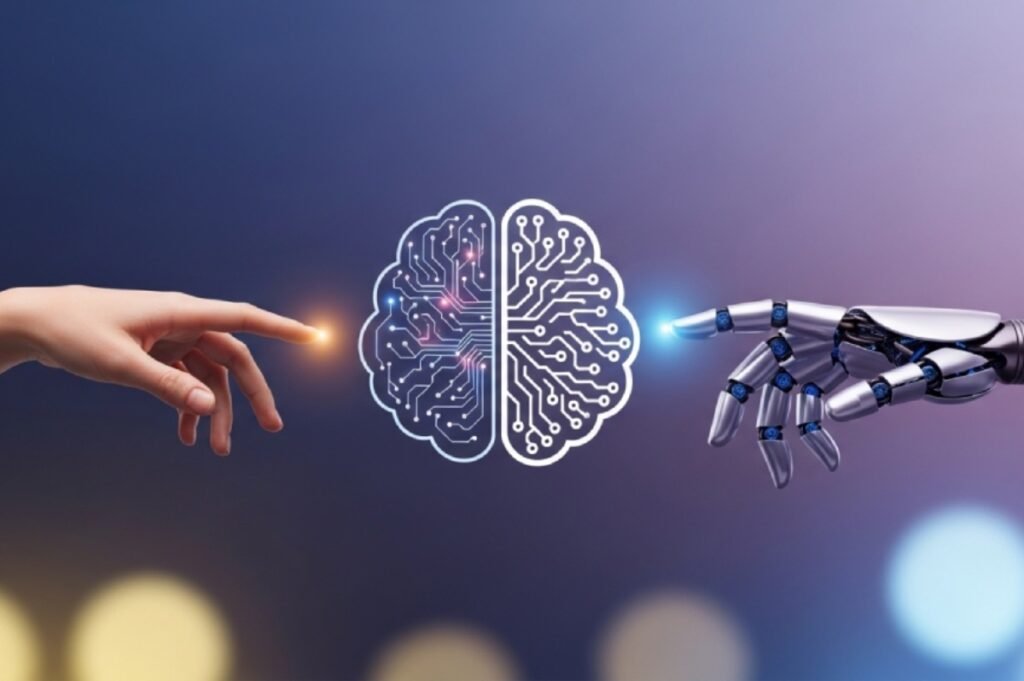
AI writing tools have improved dramatically over the last few years. Earlier AI-generated content often sounded robotic, repetitive, and unnatural. Today, advanced language models can create articles, emails, scripts, and conversations that sound surprisingly close to human writing. Because of this rapid progress, many people now search for terms like “most human ai writer,” “best ai for human like writing,” and “which ai writes the most human” when choosing AI tools for blogging, SEO, business, or content creation.
The reality is that no AI writes exactly like a human in every situation, but some tools are currently much better at producing natural, conversational, and emotionally realistic writing than others.
Why Human-Like AI Writing Matters
Human-like writing matters because readers can quickly notice content that feels robotic or overly generic. Businesses, bloggers, and marketers want AI-generated text that sounds natural, engaging, and authentic.
Search engines and audiences also increasingly prefer content that feels useful and written for real people instead of purely optimized for algorithms. This is why demand for the most human sounding ai writer continues growing rapidly.
What Makes AI Writing Sound Human
AI writing feels more human when it includes:
Natural sentence variation
Conversational tone
Context awareness
Emotional flow
Logical transitions
Less repetition
More personality and nuance
The most human like ai systems usually understand context better and generate smoother conversations and storytelling.
ChatGPT Is Considered One of the Most Human Like AI Writers
ChatGPT is widely considered one of the strongest AI writing tools for natural and conversational content. It performs especially well in long-form writing, structured blogs, marketing copy, brainstorming, and realistic dialogue.
Many users searching “which ai writes more naturally” or “which ai is more human like” often compare other tools directly against ChatGPT because of its flexibility and smooth writing quality.
ChatGPT is especially strong when prompts include tone instructions, examples, and audience context.
Claude AI Is Known for Natural Flow
Claude is another major AI writing system often praised for sounding calm, thoughtful, and natural.
Many users believe Claude produces smoother paragraph flow and more emotionally balanced responses compared to some other AI systems. It performs especially well for long-form articles, summaries, and conversational writing.
People searching for the “most human sounding ai” frequently mention Claude because its writing style often feels less robotic and more naturally structured.
Gemini AI Focuses on Context and Search Integration
Google Gemini is Google’s AI system designed to combine conversational AI with web and productivity integration.
Gemini performs well for research-driven writing, summaries, and informational content. While some users still feel ChatGPT and Claude sound slightly more natural conversationally, Gemini continues improving rapidly.
Its integration with Google services makes it useful for productivity and digital workflows.
Jasper AI Is Popular for Marketing Content
Jasper is one of the most popular AI writing tools specifically designed for marketers and businesses.
It focuses heavily on ad copy, SEO writing, social media content, and sales-focused language. Jasper can sound highly natural for marketing tasks, especially when trained on brand voice settings.
However, many users still prefer ChatGPT or Claude for broader conversational realism.
Copy.ai Works Well for Short Marketing Copy
Copy.ai specializes in generating marketing-focused content such as product descriptions, email subject lines, captions, and ads.
It is useful for fast business writing tasks, although long-form writing often feels less naturally human compared to more advanced conversational models.
Most Human AI Writing Depends on Use Case
There is no single perfect answer to “which ai has the most human like writing” because results depend heavily on the type of content being created.
For example:
ChatGPT performs strongly for versatile conversational writing
Claude often feels smoother and calmer in long-form writing
Jasper works well for marketing copy
Gemini is strong for integrated workflows and research
Different tools excel in different situations.
Prompt Quality Changes AI Output Significantly
Even the best AI writing tools depend heavily on prompts. Poor prompts often produce robotic or generic responses.
Detailed instructions improve human-like quality significantly. Including tone preferences, audience information, examples, and writing style guidance usually creates much more natural results.
In many cases, users blaming AI quality are actually dealing with weak prompting strategies.
AI Still Struggles With True Human Emotion
Although modern AI sounds increasingly realistic, it still lacks genuine human experience, emotion, and lived perspective.
AI can imitate emotional language but does not truly understand feelings or real-world experiences the way humans do. This is why fully AI-generated writing sometimes still feels slightly artificial in deeper storytelling or emotional contexts.
Editing Makes AI Writing More Human
One of the best ways to create highly natural AI-assisted writing is combining AI drafts with human editing.
Adding personal experiences, changing sentence rhythm, simplifying awkward phrasing, and introducing natural imperfections can make content sound much more authentic.
The strongest content often comes from collaboration between human creativity and AI efficiency.
AI Detection Tools Are Not Fully Reliable
Many users searching for the “most human-sounding ai writer” are also concerned about AI detection.
The reality is that AI detectors are inconsistent and often inaccurate. Highly edited AI content may appear human, while genuine human writing sometimes gets flagged incorrectly.
Instead of trying only to “beat AI detectors”, creators should focus more on quality, originality, and usefulness.
Businesses Use AI to Save Time
AI writing tools are becoming essential in digital marketing, blogging, SEO, and online business because they save significant time.
Businesses use AI for:
Blog drafts
Social media captions
Product descriptions
Email campaigns
SEO outlines
Advertising copy
Research summaries
This improves productivity and content scalability.
The Future of Human-Like AI Writing
AI writing will likely become even more natural in the future as language models improve contextual understanding, personalization, memory, and emotional simulation.
The gap between AI writing and human writing is already much smaller than it was a few years ago, and future systems will likely sound even more realistic.
However, human creativity and authentic experience will still remain valuable.
Conclusion
When people search for terms like “most human ai writer,” “most human sounding ai,” or “which ai writes the most human,” the most common top choices today are ChatGPT and Claude because they produce highly natural, conversational, and context-aware writing.
The best AI tool ultimately depends on the use case, writing style, and editing process. AI can now generate impressively human-like content, but the strongest results still come from combining AI speed with human creativity, experience, and refinement.
Frequently Asked Questions
Which AI writing tool sounds the most human?
ChatGPT and Claude are currently among the most popular AI tools for natural and human-like writing.
What is the most human-sounding AI writer?
Many users consider Claude and ChatGPT to be the most human-sounding AI writers right now.
Which AI writes more naturally?
AI tools with stronger conversational understanding and context awareness usually write more naturally.
Is AI writing better than human writing?
AI is faster for generating drafts, but human creativity and emotional understanding remain stronger.
Can AI-generated content pass as human writing?
Highly edited AI content can sound very natural, although perfect human imitation is still difficult.
Why do some AI tools sound robotic?
Weak prompts, repetitive patterns, and limited contextual understanding often make AI writing sound robotic.